Welcome to the Tomahawk Institute, a curated collection of online courses created by our team of experts. Our content is engaging, relevant, and designed to make you safer in the places you live, work, and play.
The Tomahawk Institute offers a wide range of topics and content to meet your needs.
Access on-demand content geared toward corporate clients and law enforcement teams.
Use these modules to gain valuable background knowledge, reinforce in-person content, and take your learning to the next level.
Many businesses provide online training to all their employees to improve their safety and readiness in an emergency. Our corporate programs are designed using our shared experience, then thoughtfully constructed to be more relevant, realistic, and relatable than the typical online training.
Law enforcement teams require ongoing training to keep their skills up to date and build high-order cognition from a solid foundation of knowledge. With the Tomahawk Institute, teams can access a library of on-demand content developed by our team of active duty veterans, and active and former law enforcement professionals. We use our experience to deliver superior, relevant training to you.
Many businesses provide online training to all their employees to improve their safety and readiness in an emergency. Our corporate programs are designed using our shared experience, then thoughtfully constructed to be more relevant, realistic, and relatable than the typical online training.
Overall, this course empowers participants with a comprehensive understanding of DHS-recommended response protocols, situational awareness, and personal decision-making techniques to safely and effectively respond to active threats.
Develop skills to recognize warning signs of violence and understand the importance of situational awareness, character indicators, and the concepts of time and space.
Comprehend the 10-80-10 concept to identify potential threats and responses.
Gain an understanding of physiological responses such as fight or flight in high-stress scenarios.
2. Recognizing When Something Has Happened
Learn to identify signs of active threats through visual and situational cues.
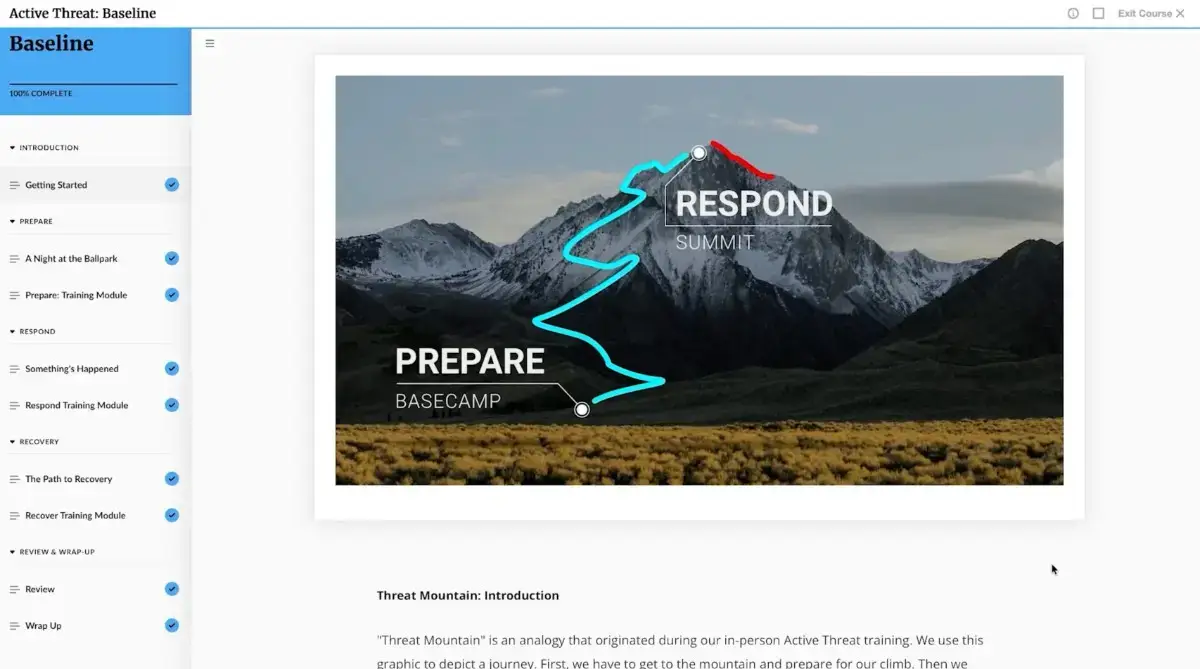
Understand key definitions and employ threat mountain check-ins to assess the situation.
Familiarize with DHS’s “Run-Hide-Fight” protocols as effective active threat response techniques.
3. Executing the Response
Master detailed “Run-Hide-Fight” actions with step-by-step guidance.
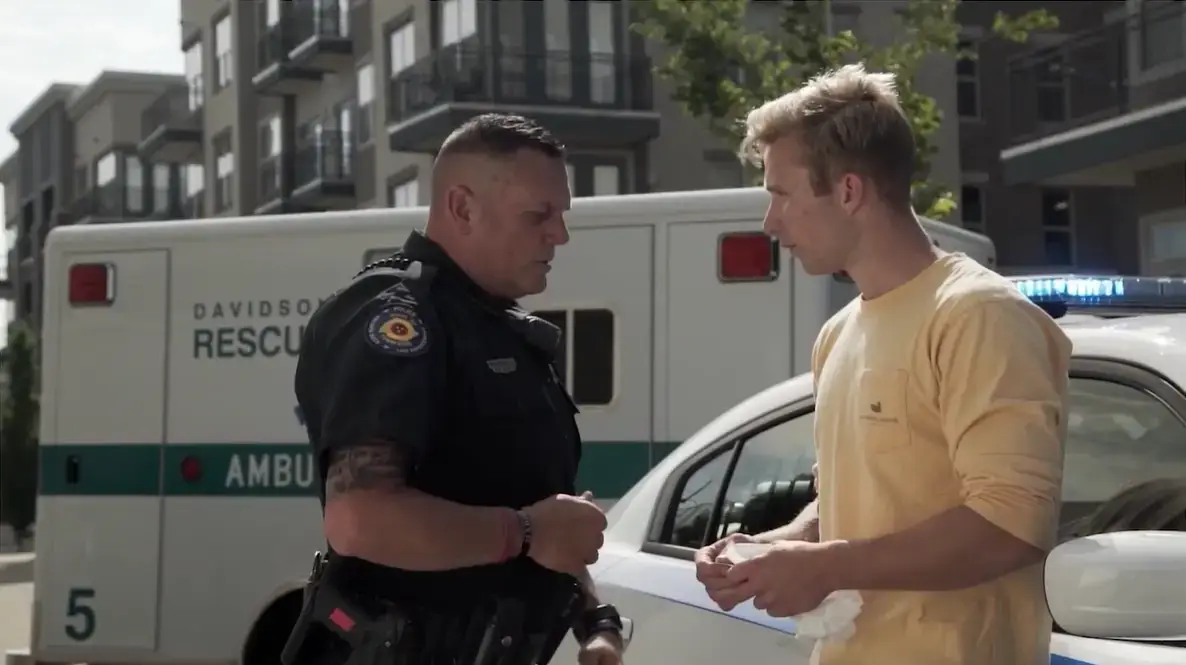
Understand proper response review, incident reporting, and law enforcement interaction—dos and don’ts.
Strengthen decision-making skills to act safely and effectively under active threat conditions.
4. The Path to Recovery
Recognize the importance of immediate and long-term recovery efforts following an incident.
Understand recovery definitions and explore available resources and paths to support those affected.
5. Review and Reinforcement
Revisit key points of performance and response strategies through video closeouts.
Solidify understanding of protocols and situational skills to confidently navigate active threat scenarios.
De-Escalation
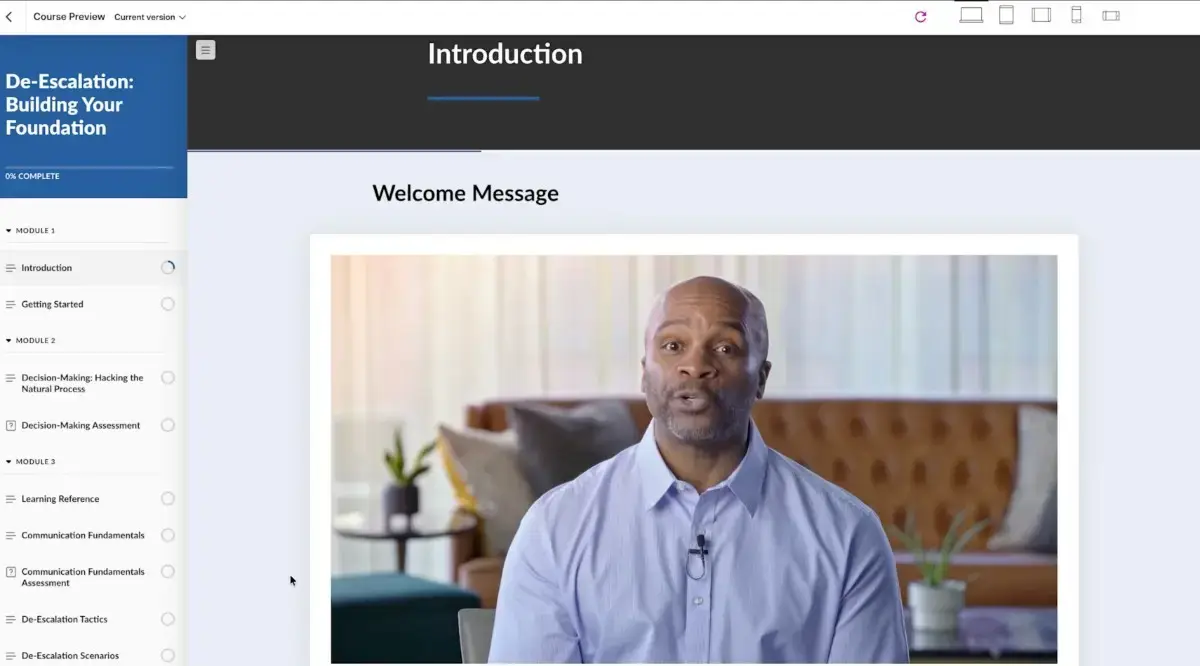
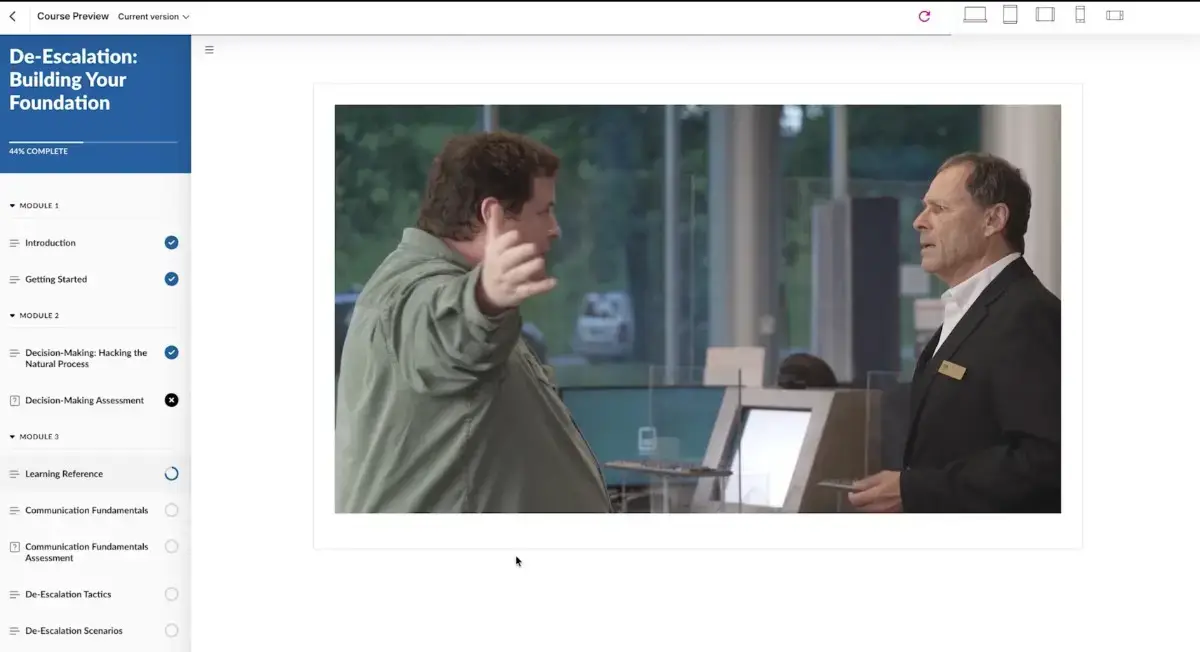
Overall, the course aims to equip participants with decision-making tools, communication techniques, and tactical approaches to effectively de-escalate potentially volatile situations, fostering safer interactions and positive outcomes.
Simplify decision-making processes using tools like the OODA Loop.
Develop strong situational awareness to inform appropriate responses.
2. Assessment Skills
Evaluate scenarios through quizzes to reinforce decision-making and situational assessment.
3. Theoretical References
Analyze de-escalation techniques demonstrated in targeted training videos.
4. Communication Skills
Understand core communication principles, including verbal and non-verbal cues.
Recognize the importance of body language, active listening, emotional labeling, rapport, and empathy
Identify common communication blocks and learn strategies to overcome them.
5. Application of De-Escalation Tactics
Apply rapport-building, active listening, empathy, information delivery, and support techniques.
Learn to use divide and conquer strategies.
Develop resilience to manage stressful encounters effectively.
6. Practical Scenarios
Engage with custom-made corporate de-escalation scenarios to practice skills in real-world contexts.
Trauma First Response: Stop the Bleed
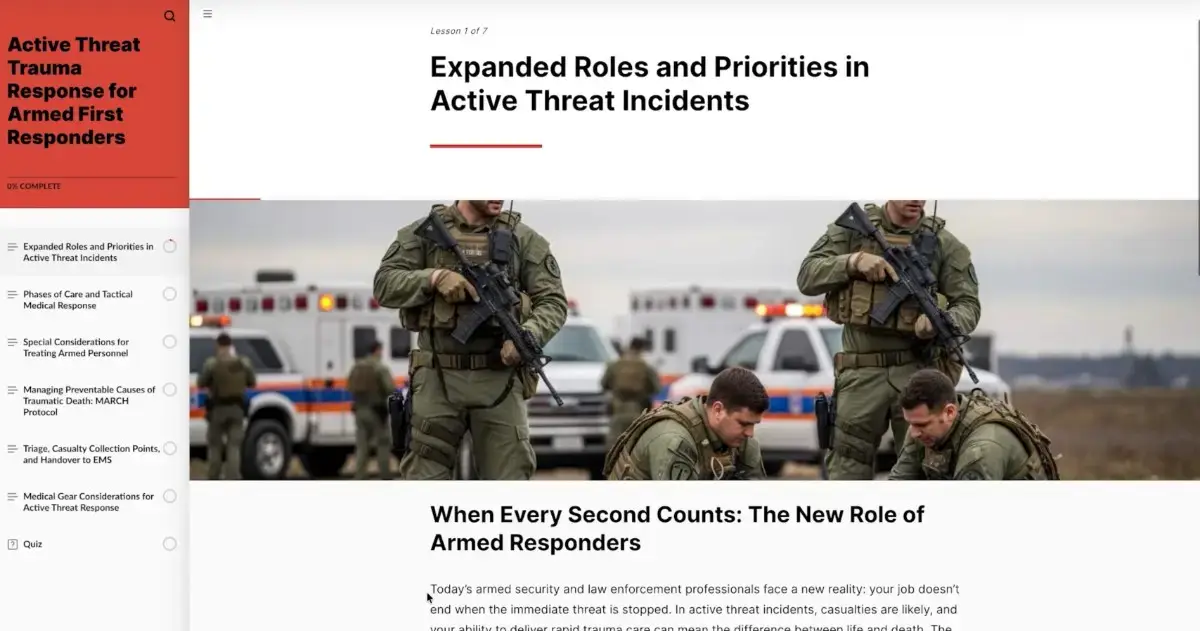
Overall, the course aims to equip participants with essential skills for delivering life-saving medical intervention in high-risk scenarios, emphasizing proper technique, safety, and communication with definitive medical personnel.
First Aid Strategies During Active Threat Situations
OBJECTIVES
1. Tourniquet Application
Understand the history, indications, and proper application of emergency tourniquets.
Recognize how to store and deploy tourniquets effectively.
Practice application techniques and understand reporting requirements to definitive care providers.
2. Chest Seal Usage
Comprehend the purpose, indications, and correct placement of chest seals.
Learn how to store, deploy, and apply chest seals appropriately.
Practice consistent application and understand necessary reporting procedures.
3. Junctional Wound Management
Understand the proper equipment, indications, and approach for junctional wound care.
Demonstrate correct placement and application of wound care materials.
Practice application techniques and reporting requirements.
4. First Aid in Active Threat Situations
Recognize how to approach emergency medical care safely in active threat environments.
Identify and prioritize patient triage and management under dangerous conditions.
Learn best practices for delivering immediate treatment while avoiding further danger.
Tomahawk Institute for Law Enforcement
Law enforcement teams require ongoing training to keep their skills up to date and build high-order cognition from a solid foundation of knowledge. With the Tomahawk Institute, teams can access a library of on-demand content developed by our team of active duty veterans, and active and former law enforcement professionals. We use our experience to deliver superior, relevant training to you.
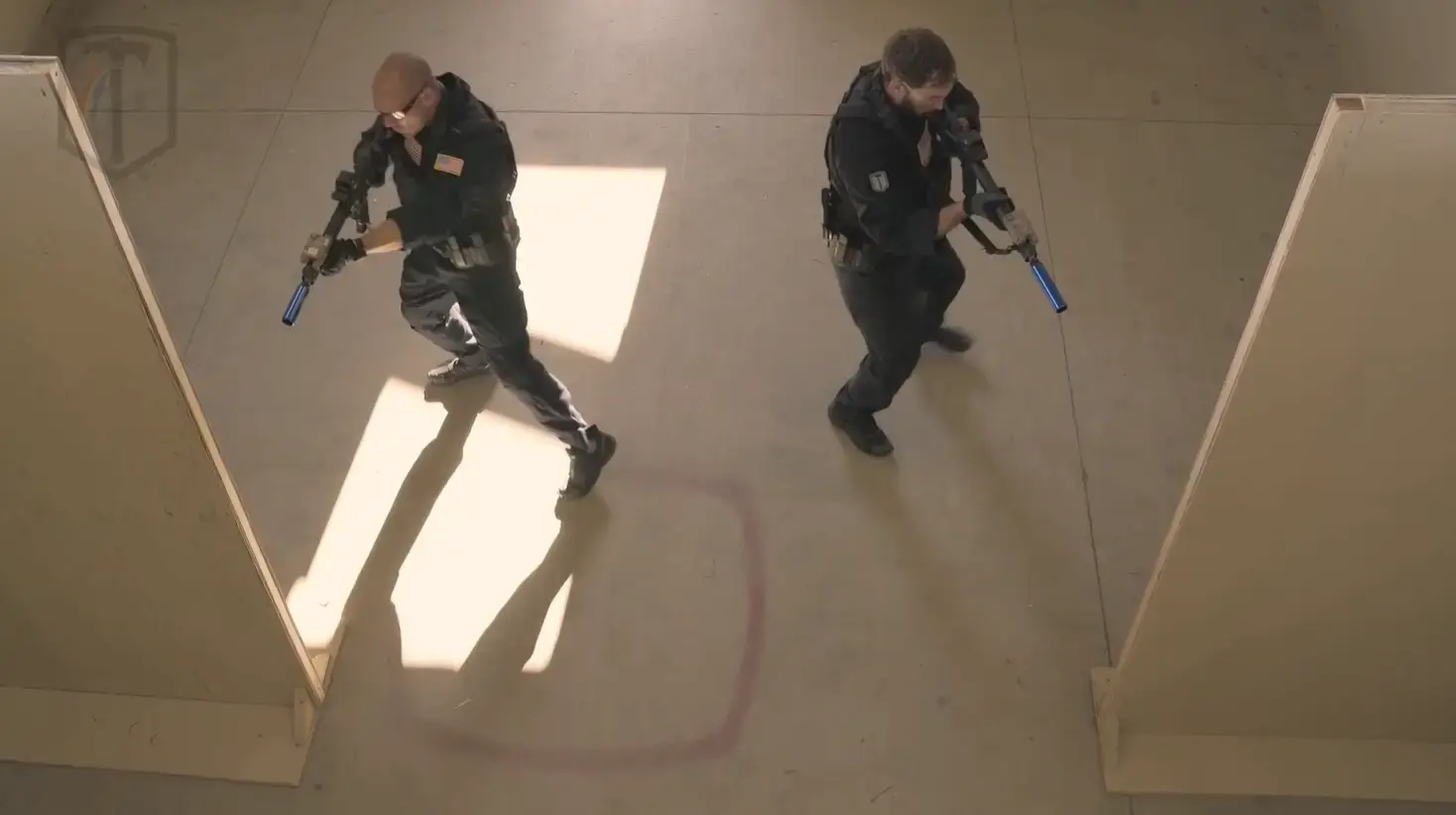
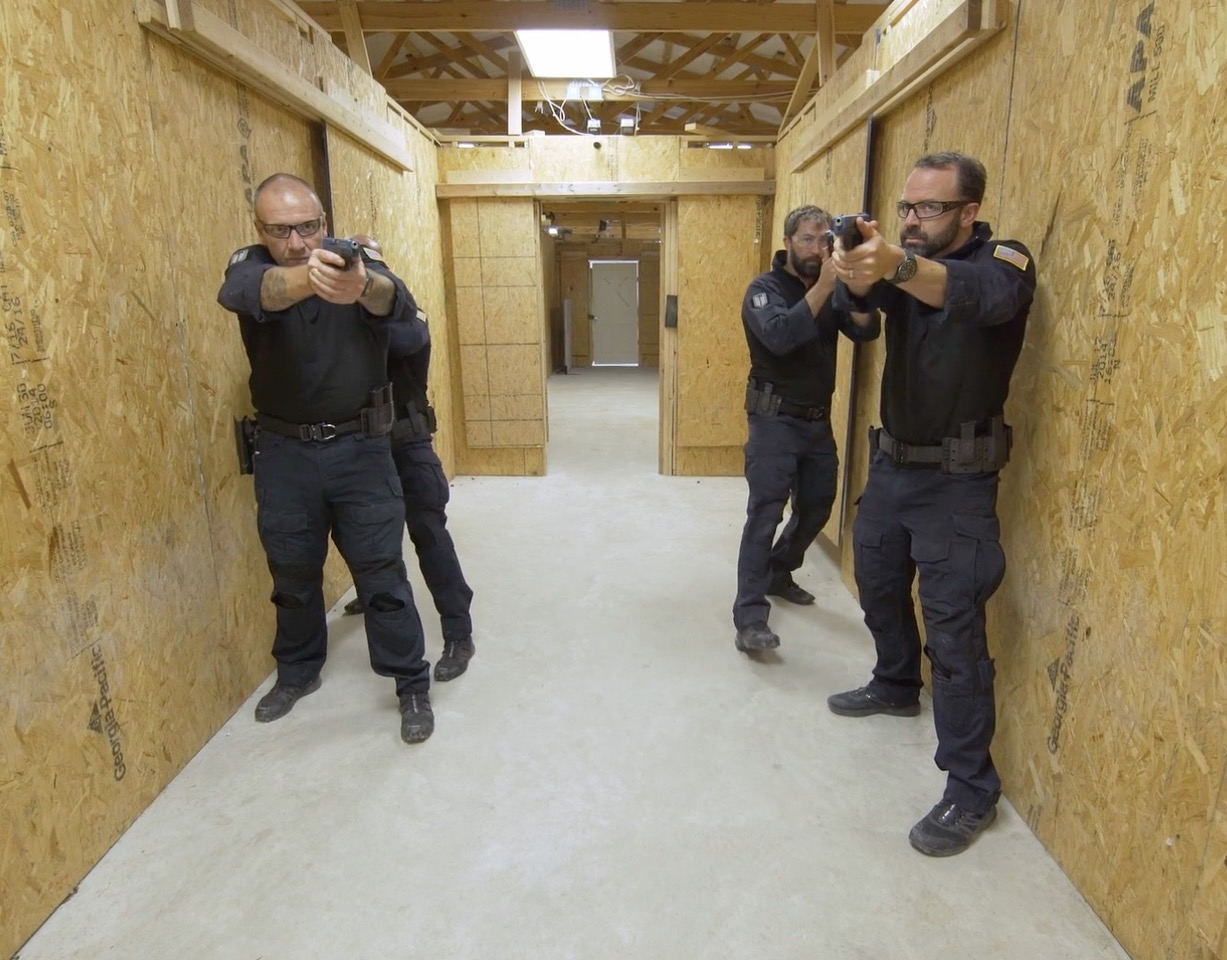
Overall, the course aims to equip learners with foundational and specific tactical knowledge, emphasizing effective communication, threat management, room clearing, and dynamic movement through a combination of theoretical principles and practical demonstrations.
Understand the purpose and importance of curriculum development and tactical training.
Comprehend the evolution of tactics, lessons learned, and throttle control in tactical operations.
2. Course References and Communication
Acquaint yourself with visual aids such as room layouts, door types, and movement patterns.
Recognize and apply non-verbal communication and verbal commands effectively.
3. Methodology and Historical Context
Understand the methodology behind tactical training and its historical evolution, particularly in special operations, transformation, and application.
4. Threat Prioritization and Use of Force
Learn to prioritize threats based on life, activity, and situational factors.
Review principles and proper application of use of force (UOF).
5. Tactical Concepts and Techniques
Understand the Pie concept, correct and incorrect application, and sight over bore techniques.
Master the OODA Loop for decision-making.
Analyze various door configurations and approaches through video demonstrations.
6. Room Entry and Clearing Procedures
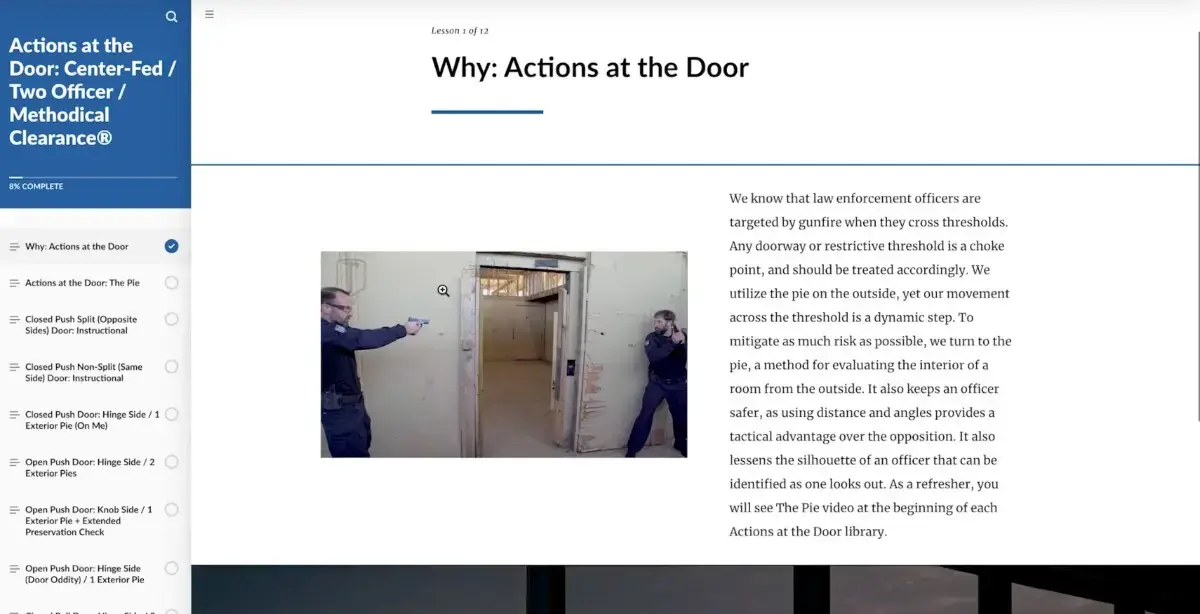
Follow written points of performance and visual demonstrations for center-fed and corner-fed room types.
Practice proper penetration, sweeps, communication, and movement techniques.
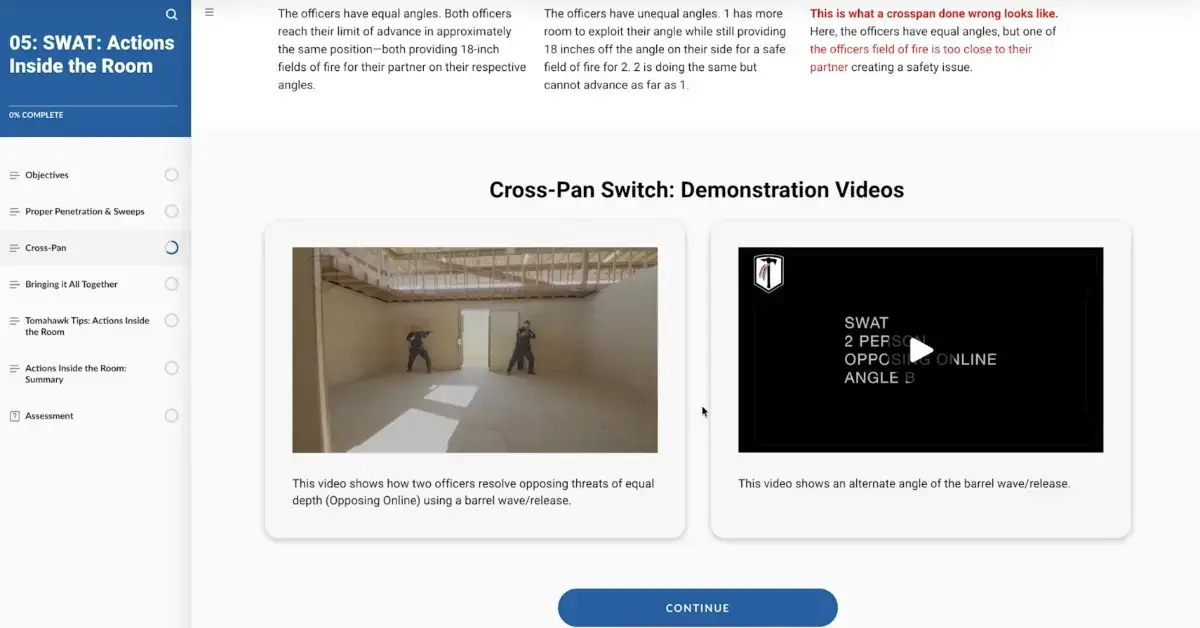
Employ simple verbal commands, cross-pan principles, and switch techniques.
7. Search and Movement Strategies
Conduct single and dual point search methods, move-to-contact scenarios, and crossing thresholds.
Exit rooms safely, patch to the spine, and execute hasty pie strategies.
Appreciate the importance of dynamic movement against opposing threats, including buttonhook techniques, supported by video demonstrations.
Introduction to Breaching
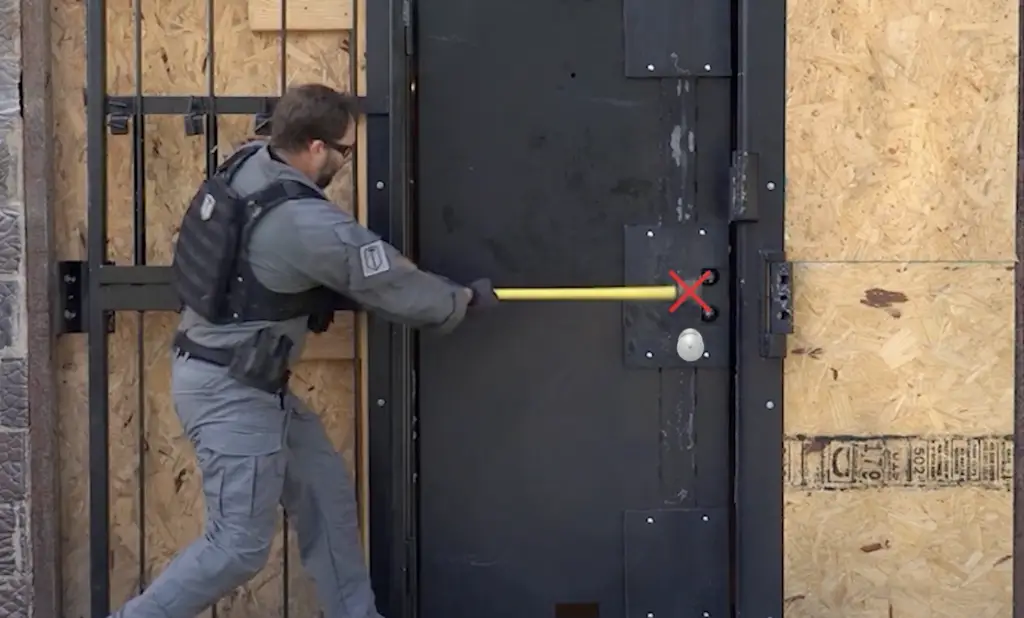
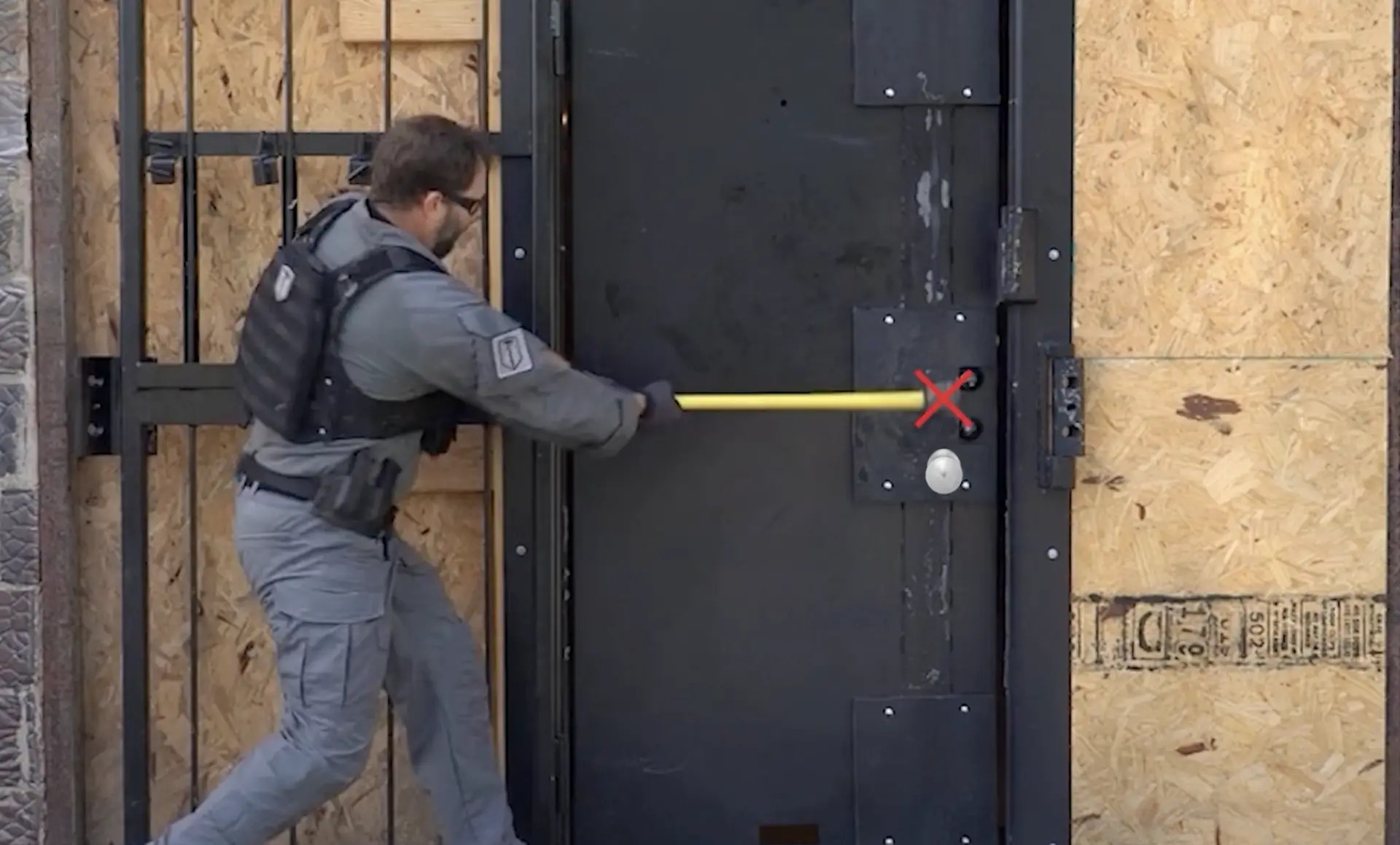
This course introduces specific, basic breaching techniques using a minimum of commonly available tools for law enforcement. This course is a supplement to Tomahawk’s Patrol Officer Tactical Response (POTR) curriculum.
How to identify common doors, ensure the proper tools are on hand, communicate properly during the breach, and follow-on actions once through the door.
OBJECTIVES
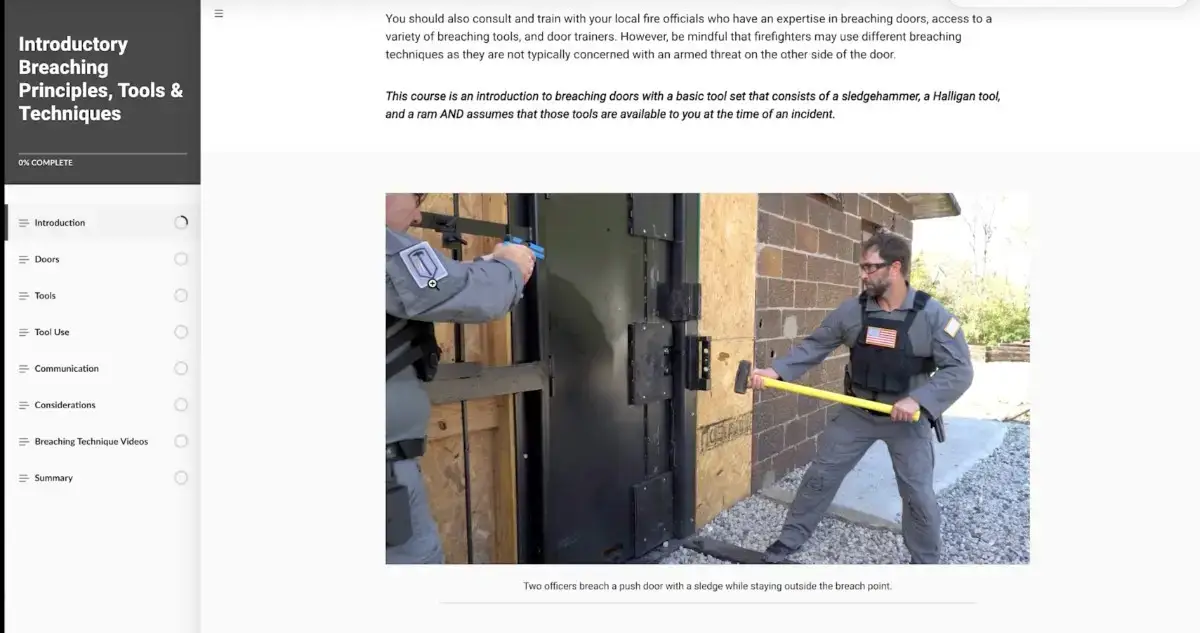
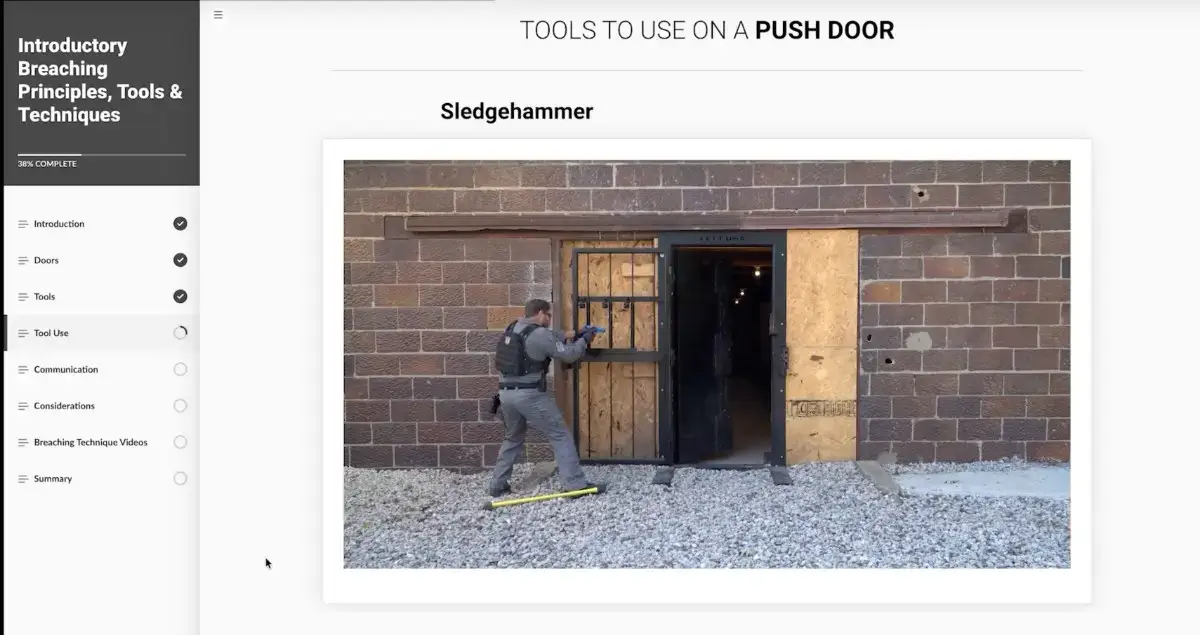
Study breaching problems and understand how a set of simple tools can lead to a successful breach in the vast majority of law enforcement operations.
Hostage Rescue
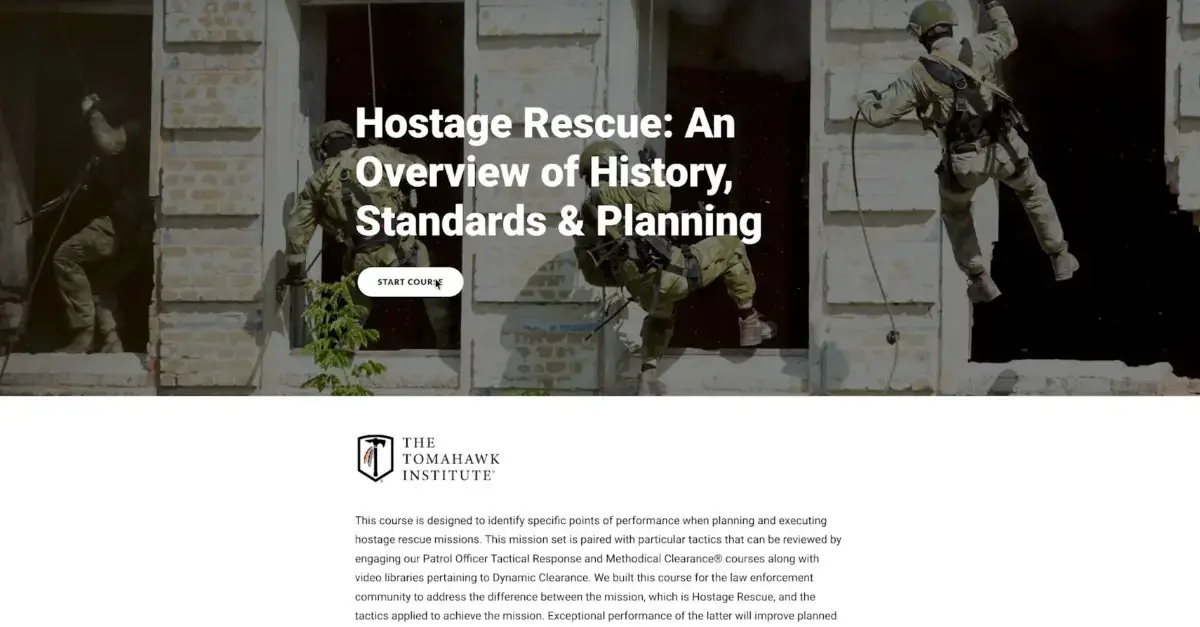
This course is designed to identify specific points of performance when planning and executing hostage rescue missions. This mission set is paired with particular tactics that can be reviewed by engaging our Patrol Officer Tactical Response and Methodical Clearance® courses along with video libraries pertaining to Dynamic Clearance. We built this course for the law enforcement community to address the difference between the mission, which is Hostage Rescue, and the tactics applied to achieve the mission. Exceptional performance of the latter will improve planned outcomes in what is often called “a zero-fail mission.”
Study strategic efforts, often carried out by specialized military, law enforcement, or tactical units, to safely extract the hostages while minimizing harm to them and neutralizing the captors. Determine, with a sense of honesty, whether your team should even consider managing a hostage rescue effort.
In this article, we explore how crisis management tabletop exercises help organizations validate plans, strengthen coordination, identify gaps, and build confidence across the entire crisis lifecycle—from preparedness and response to recovery.
At Tomahawk, we’ve created a course that helps employees recognize and address workplace violence early, which is essential to fostering a secure and respectful work environment.
Law Enforcement
2 Nov 2026
Exterior Approaches
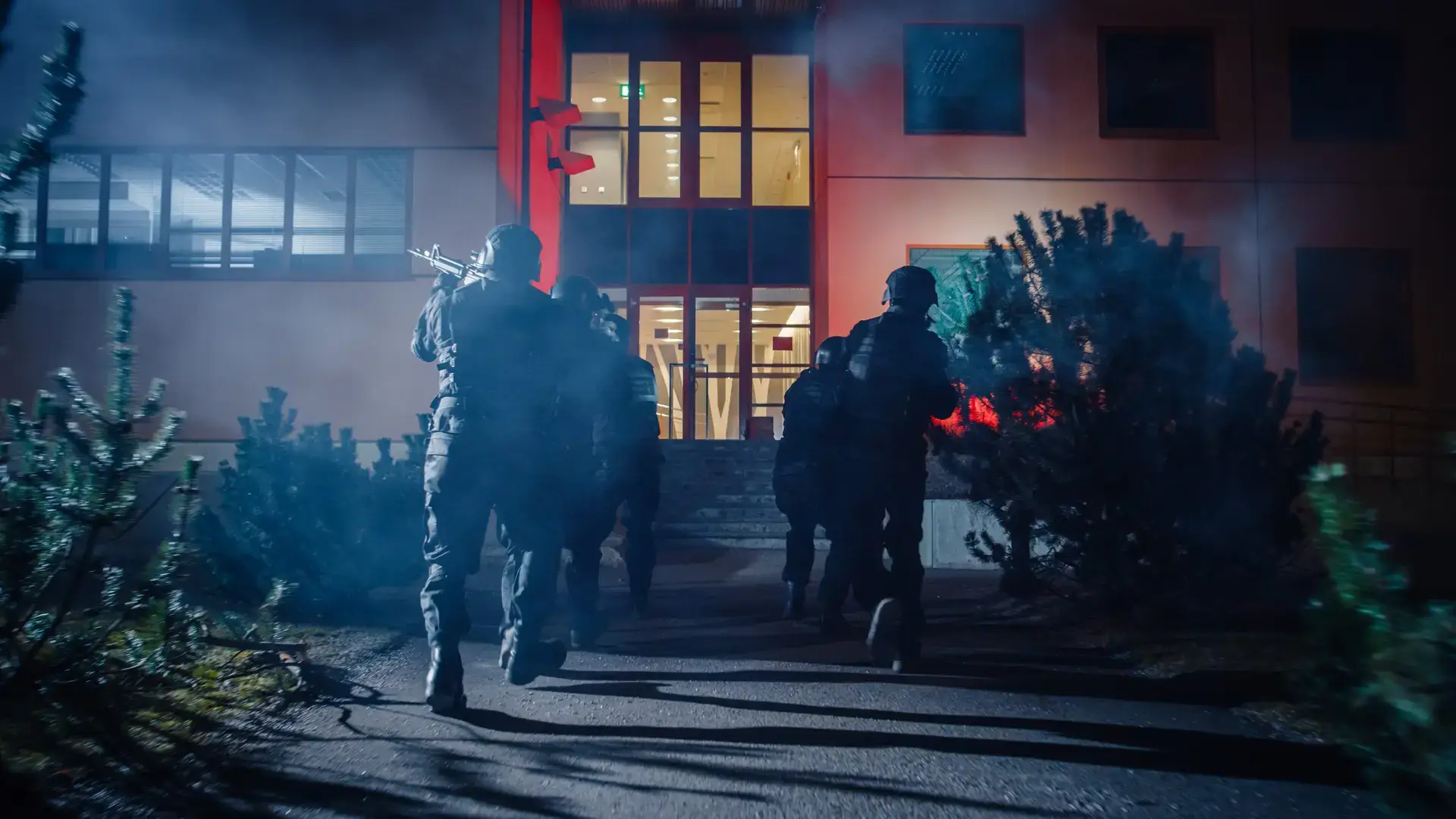
This course provides comprehensive guidance on exterior building approach operations, emphasizing safety, coordination, tactical movement, and contingency strategies to effectively support law enforcement objectives.
Law Enforcement
2 Nov 2026
The Why Series
The “Why” Series from the Tomahawk Institute explains the reasoning behind essential law enforcement tactics.
Law Enforcement
10 Jun 2026
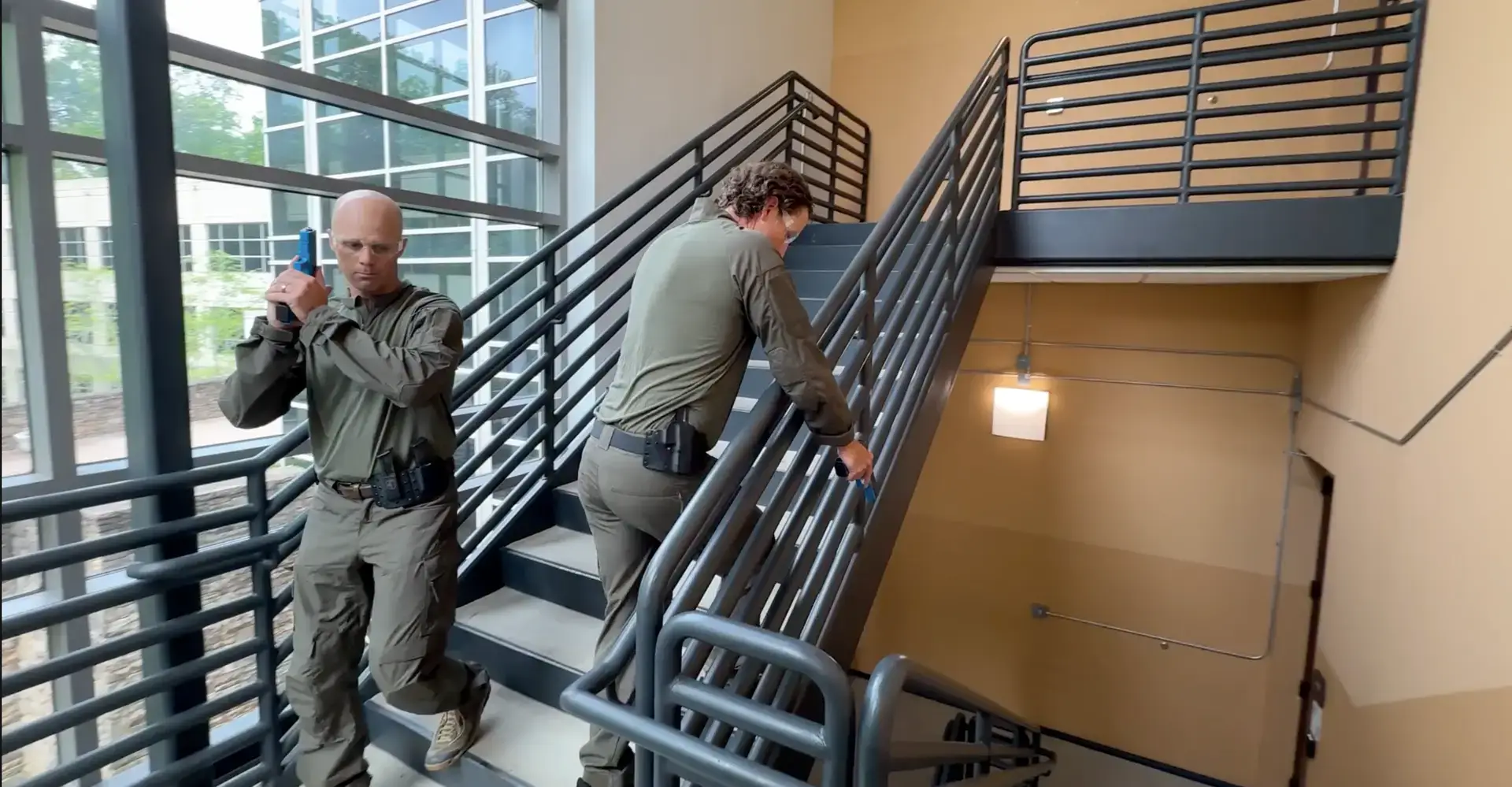
Stairways
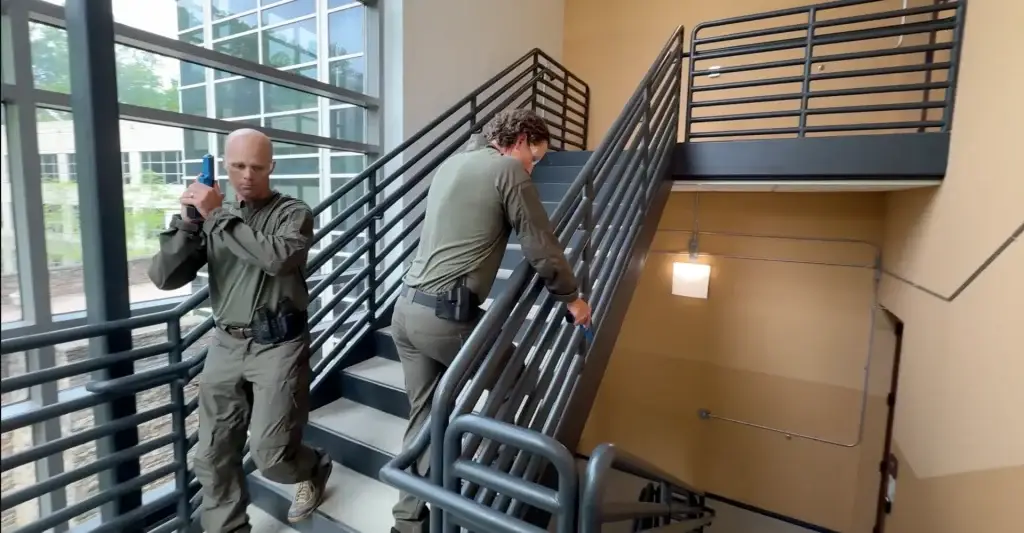
Stairways present a vertical and horizontal problem. This course explores how to navigate them.
Law Enforcement
2 Nov 2026
Introduction to Breaching
This course focuses on techniques used during an active threat response.
Law Enforcement
2 Nov 2026
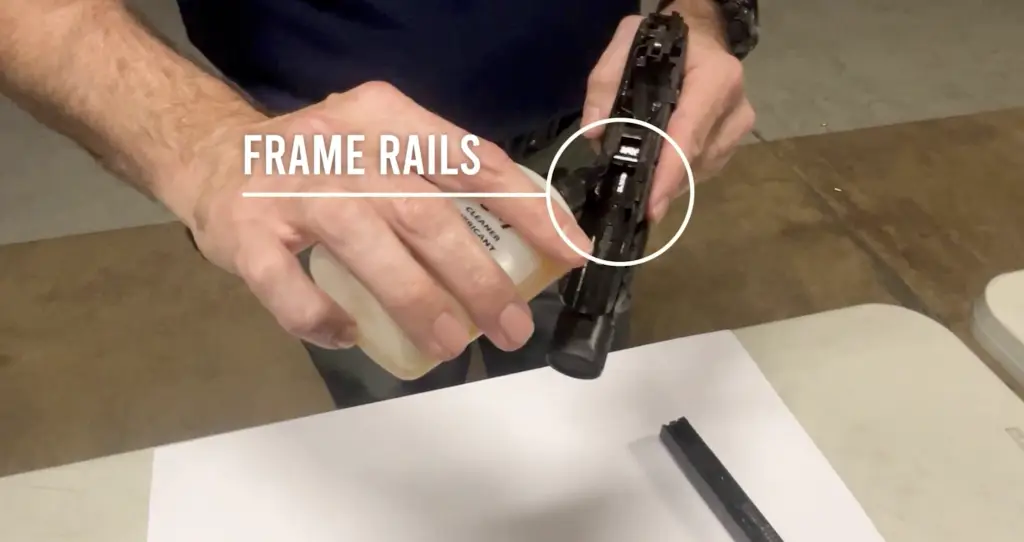
Firearm Supplements
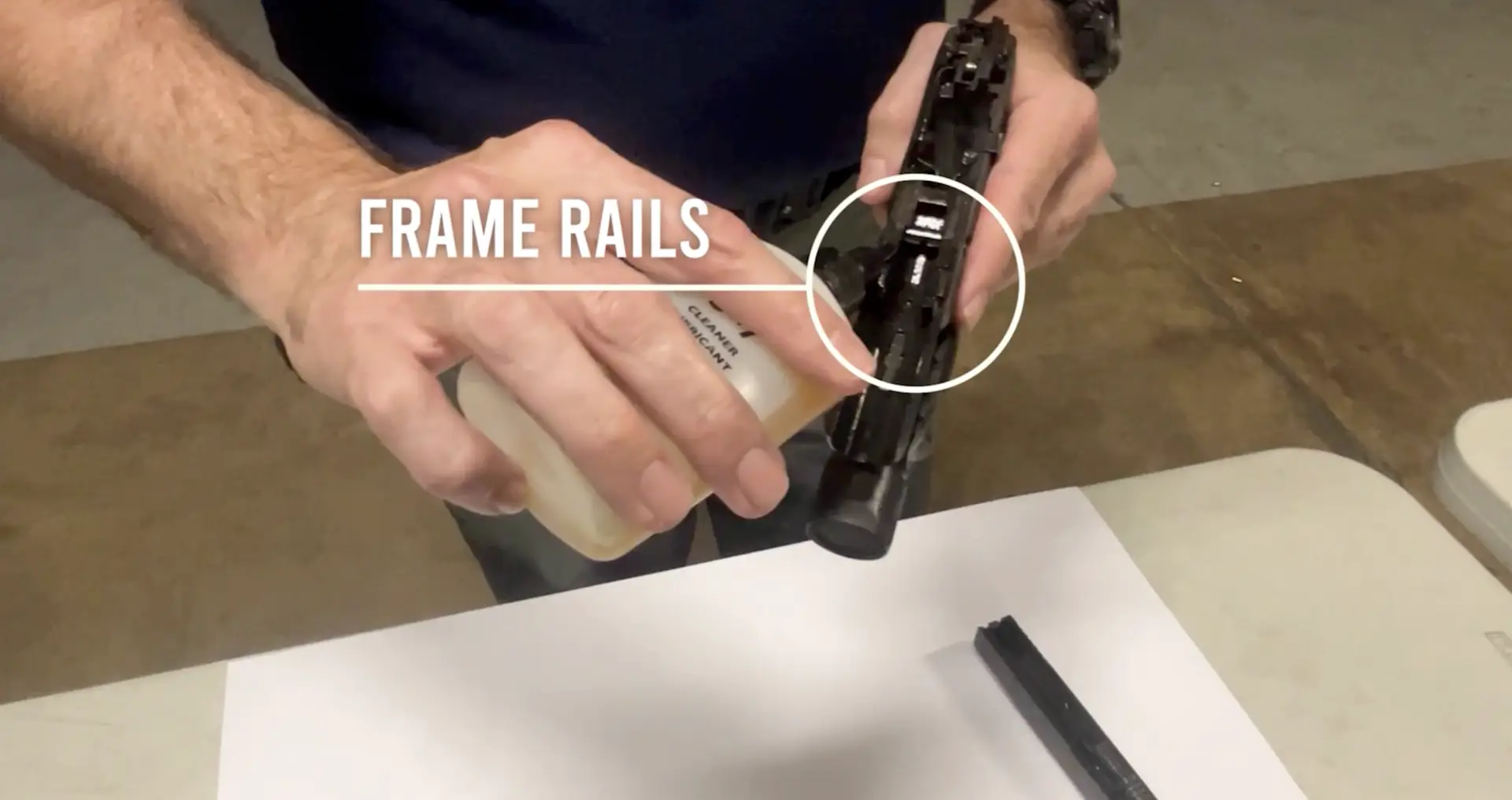
To supplement our core firearms training, we offer several short courses on weapons management, maintenance, range health and safety, tools and techniques, and specialized systems like weapon-mounted optics.
Law Enforcement
2 Nov 2026
Hostage Rescue
This course is designed to identify specific points of performance when planning and executing hostage rescue missions.
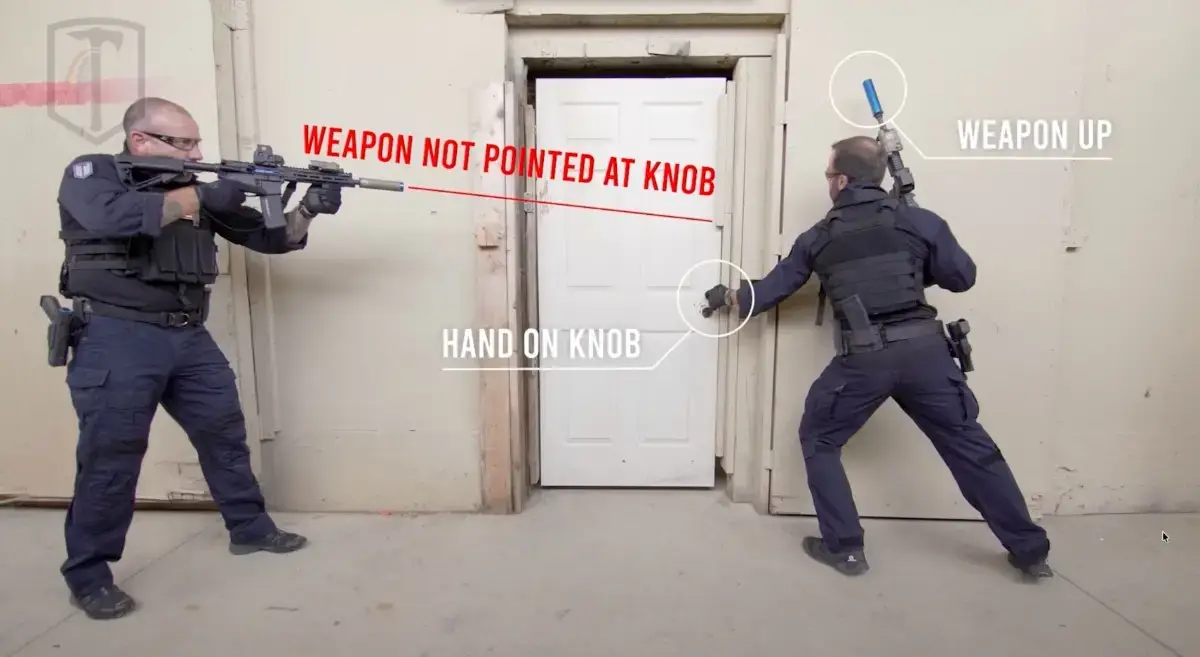
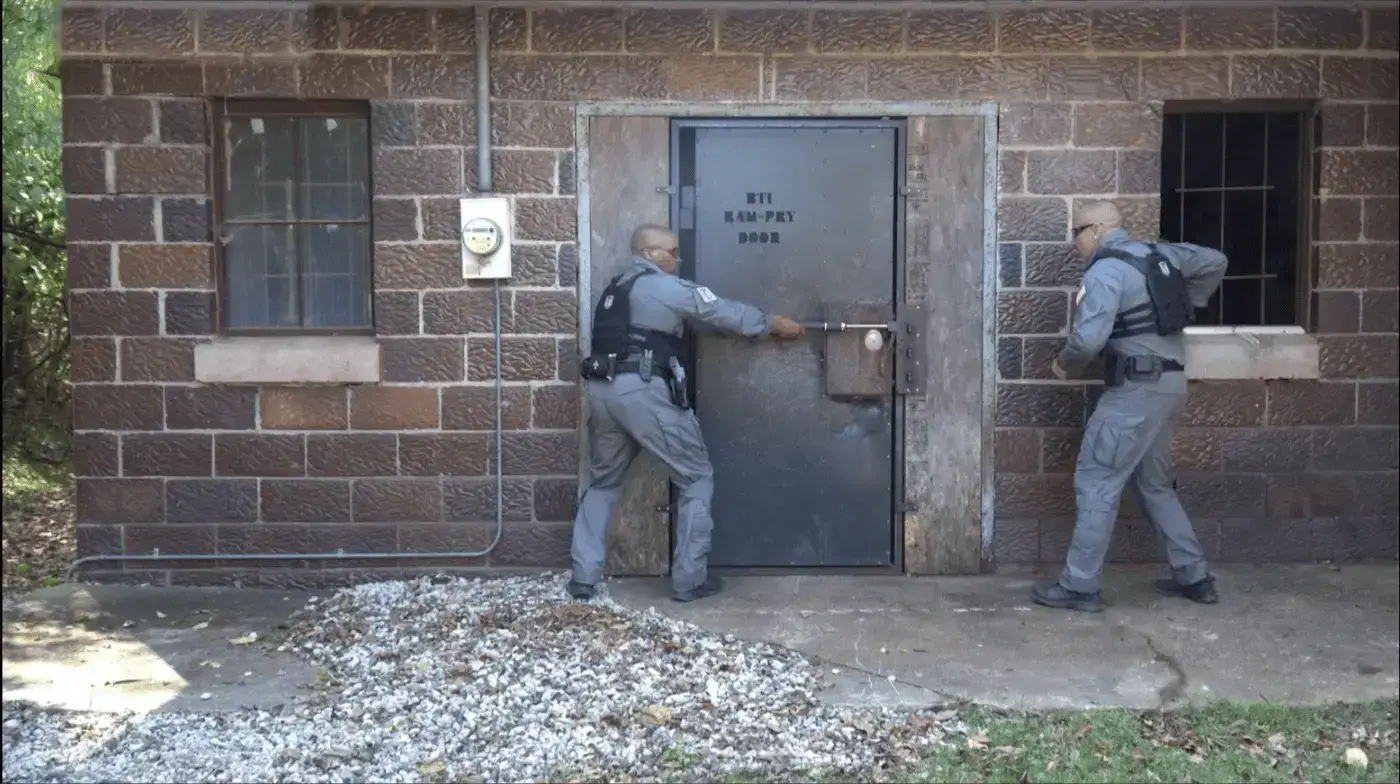
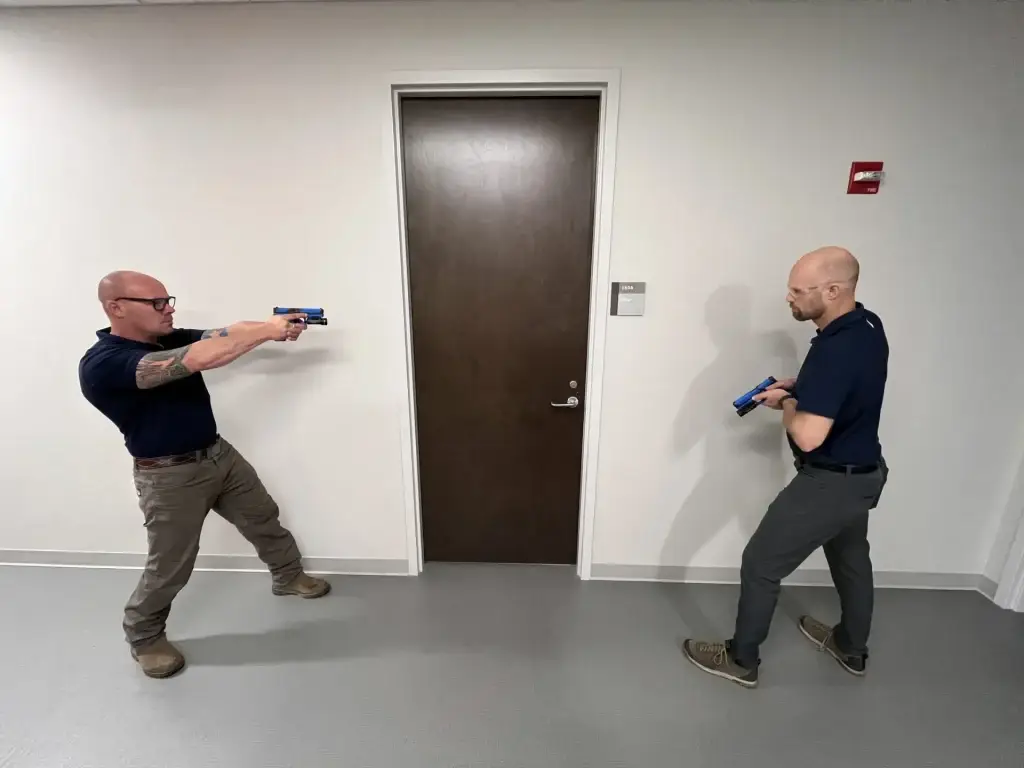
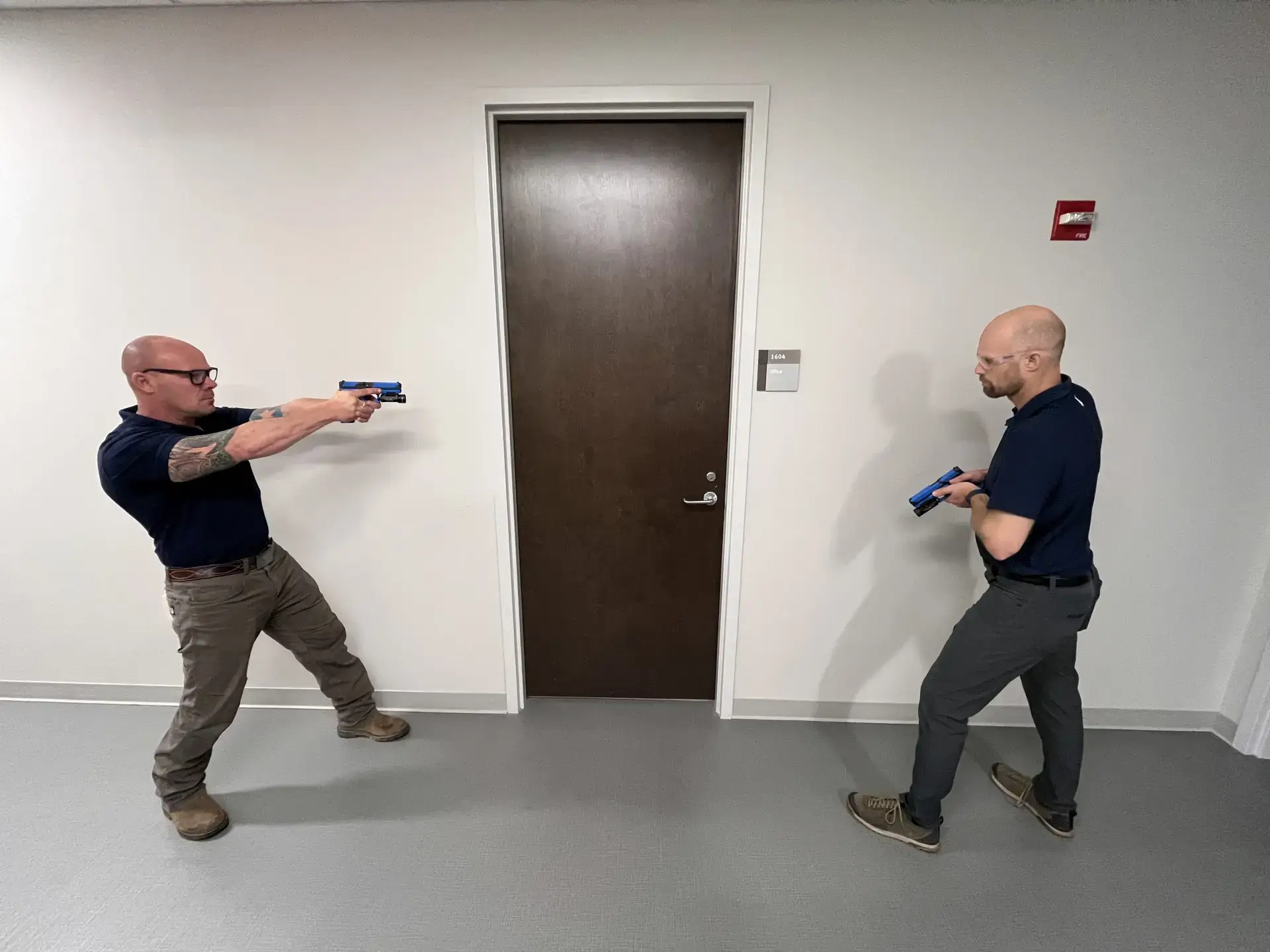
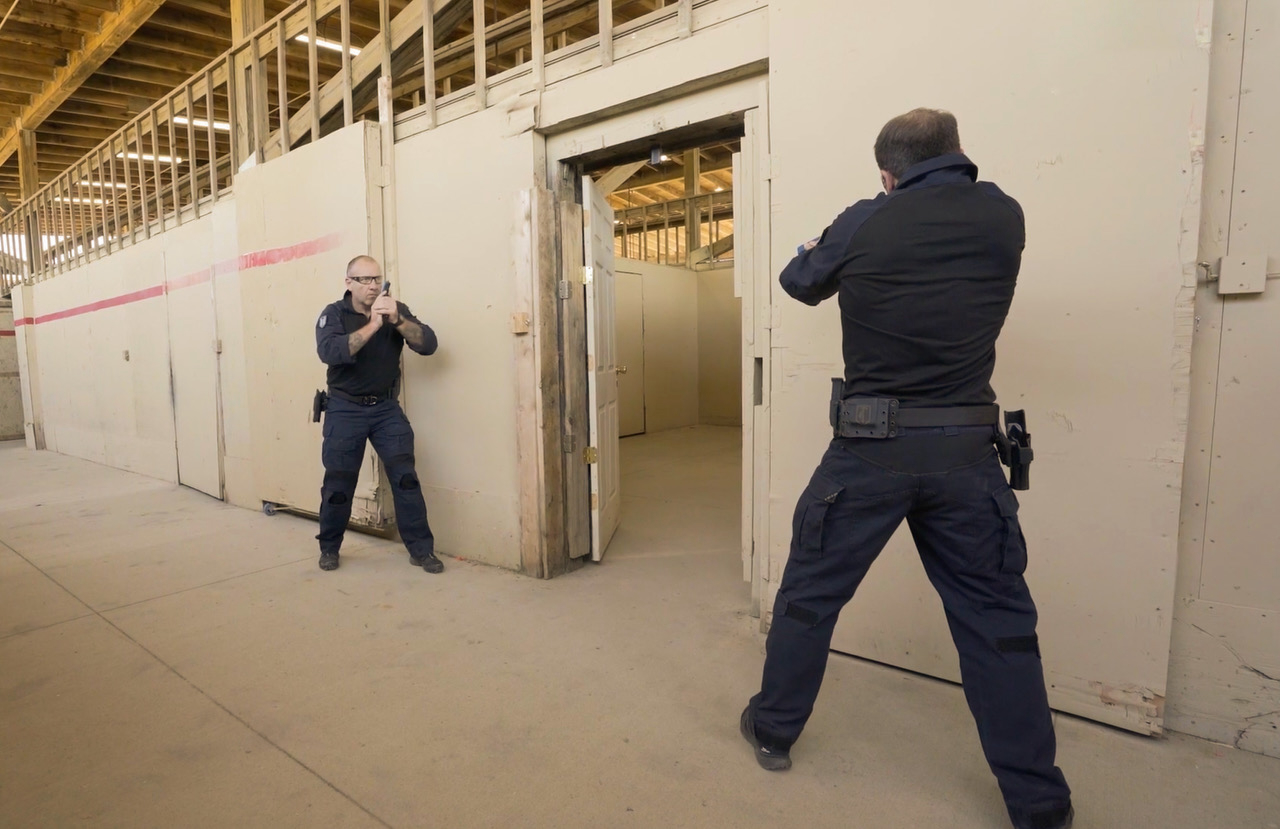
Two law enforcement officers demonstrate how to properly position themselves to breach a closed door for a center-fed room. This video includes call-outs for instructional purposes.
This online training provides tools and techniques that can be applied to better navigate stressful or threatening situations. The content is universally relevant and applies to the places we all live, work, and play.
"This training was very informative and simple to understand. I love the fact that the modules had videos and re-enactments. It made the lessons more interesting."
Participant
Fortune 100 financial institution
“The course was well prepared and provides an excellent overview of the Prepare, Respond, Recover model.”
Frank D'Amico
Principal, Lodi High School, New Jersey
"Intuitive training that goes into a robust amount of detail, with excellent presentations of different perspectives and scenarios. Excellent presentation of different resources."














 English
 Danish