

- Improve your company’s safety and readiness for an emergency
- Access a wide range of topics, all available on-demand for your employees
Relevant, realistic, relatable content
Our corporate programs are designed using our team’s shared experience, then thoughtfully constructed to be relevant, realistic, and relatable. We follow characters through familiar scenarios, allowing learners to better identify with the subject.
Access short and effective training courses like:
- De-Escalation
- Situational Awareness
- Active Threat
Our Tomahawk Institute corporate programs are designed using our team’s shared experience, then thoughtfully constructed to be relevant, realistic, and relatable. We follow characters through familiar scenarios, allowing learners to better identify with the subject.
Corporate Course Catalog
Active Threat: Baseline
- Corporate
20 Minutes

WHAT YOU WILL LEARN
- How to: Prepare, Respond, Recover
OBJECTIVES
1. Preparation and Situational Awareness
- Develop skills to recognize warning signs of violence and understand the importance of situational awareness, character indicators, and the concepts of time and space.
- Comprehend the 10-80-10 concept to identify potential threats and responses.
- Gain an understanding of physiological responses such as fight or flight in high-stress scenarios.
2. Recognizing When Something Has Happened
- Learn to identify signs of active threats through visual and situational cues.
- Understand key definitions and employ threat mountain check-ins to assess the situation.
- Familiarize with DHS’s “Run-Hide-Fight” protocols as effective active threat response techniques.
3. Executing the Response
- Master detailed “Run-Hide-Fight” actions with step-by-step guidance.
- Understand proper response review, incident reporting, and law enforcement interaction—dos and don’ts.
- Strengthen decision-making skills to act safely and effectively under active threat conditions.
4. The Path to Recovery
- Recognize the importance of immediate and long-term recovery efforts following an incident.
- Understand recovery definitions and explore available resources and paths to support those affected.
5. Review and Reinforcement
- Revisit key points of performance and response strategies through video closeouts.
- Solidify understanding of protocols and situational skills to confidently navigate active threat scenarios.
Emergency Response Specialist
- Corporate
5 hours+

WHAT YOU WILL LEARN
You will have access to all of the following courses:
- ERS Firearms Baseline: 60-120 Minutes
- Emergency Communication: 30 Minutes
- Emergency Care for Active Threat Situations: 60 Minutes
- Executive Protection Baseline: 30 Minutes
- Glock Pistol Lubrication: 2 Minutes
- Hallway Management: 60 Minutes
- Stairways: 30 Minutes
(Curriculum may be altered/customized based on the recommendation of TSS instructors)
Business Leadership (Coming Late 2026)
- Corporate
60-90 Minutes

WHAT YOU WILL LEARN
- Leadership v. Management
- Effective Communication
- Strategic Thinking & Decision Making
- Building Teams
- Innovation & Change Leadership
- Personal Development
- Resilience
OBJECTIVES
1. Leadership Styles and Traits
- Understand various leadership styles, including visionary thinking, influencing, and inspiring others.
- Recognize traits that contribute to effective leadership and build emotional intelligence.
- Identify the importance of building relationships and leveraging leadership strengths.
2. Management Fundamentals
- Learn core management functions such as planning, organizing, and task management.
- Explore different managerial styles and traits that drive organizational efficiency.
3. Contrast and Synergy
- Compare key aspects of leadership and management to understand their differences.
- Identify commonalities and how leadership and management synergize for organizational success.
4. Communication Skills
- Enhance verbal and non-verbal communication capabilities.
- Practice active listening and providing meaningful feedback, emphasizing empathy in leadership.
5. Influence, Negotiation, and Building Trust
- Develop skills to shape attitudes and motivate behavior through influence and negotiation.
- Recognize the essential qualities needed to build trust and credibility within teams and organizations.
6. Vision and Strategic Analysis
- Define clear visions and set strategic directions using market trends, Strengths, Weaknesses, Opportunities, and Threats (SWOT) analysis, and multiple perspectives.
7. Critical Thinking and Data-Driven Decisions
- Apply analytical methods to identify causes, evaluate options, and anticipate consequences.
- Use data analysis as a systematic process to inform decisions and generate insights.
8. Change Management and Adaptability
- Manage organizational change through phased approaches.
- Develop adaptability skills vital for navigating change and uncertainty.
9. Team and Organizational Development
- Foster motivation, engagement, collaboration, and conflict resolution within teams.
- Promote innovation and creativity while managing resistance to change.
10. Personal Effectiveness
- Master time management, stress reduction, and work-life balance strategies.
- Build resilience, mental toughness, and develop a strong leadership presence and personal brand.
11. Continuous Improvement
- Lead initiatives for ongoing organizational and personal growth, emphasizing best practices for sustained success.
De-escalation
- Corporate
25 Minutes

WHAT YOU WILL LEARN
- Decision Making: Hacking the Natural Process
- Communication Fundamentals
- De-Escalation Tactics
- De-Escalation Scenarios
OBJECTIVES
1. Fundamentals
- Simplify decision-making processes using tools like the OODA Loop.
- Develop strong situational awareness to inform appropriate responses.
2. Assessment Skills
- Evaluate scenarios through quizzes to reinforce decision-making and situational assessment.
3. Theoretical References
- Analyze de-escalation techniques demonstrated in targeted training videos.
4. Communication Skills
- Understand core communication principles, including verbal and non-verbal cues.
- Recognize the importance of body language, active listening, emotional labeling, rapport, and empathy
- Identify common communication blocks and learn strategies to overcome them.
5. Application of De-Escalation Tactics
- Apply rapport-building, active listening, empathy, information delivery, and support techniques.
- Learn to use divide and conquer strategies.
- Develop resilience to manage stressful encounters effectively.
6. Practical Scenarios
- Engage with custom-made corporate de-escalation scenarios to practice skills in real-world contexts.
Enterprise Security Operations Center (Coming Late 2026)
- Corporate
60 Minutes

WHAT YOU WILL LEARN
- Explore foundational SOC components and standards.
- Develop effective workflows and response procedures.
- Select the right technologies.
- Establish seamless communication across business units.
OBJECTIVES
1. Purpose, Standards and Components of Enterprise SOCs:
- Understand the foundations of Enterprise SOCs.
- Explore the role and purpose of SOCs.
- Key components of SOC design.
- Levels of operating standards.
2. Designing SOC Workflows & Procedures:
- Building workflows & training SOC teams.
- Developing workflows through incident detection.
- Create reporting documentation and feedback loops.
- Examine incident response methodologies.
3. Selecting SOC Technologies & Ensure Interoperability:
- Review datasets and through SOC applications.
- Select key technologies & platforms.
- Assess integration capabilities.
- Determine best practices for SOC interoperability.
Emergency Care For Active Threat Situations
- Corporate
60 Minutes

WHAT YOU WILL LEARN
- Tourniquets
- Chest Seal
- Junctional Wounds
- First Aid Strategies During Active Threat Situations
OBJECTIVES
1. Tourniquet Application
- Understand the history, indications, and proper application of emergency tourniquets.
- Recognize how to store and deploy tourniquets effectively.
- Practice application techniques and understand reporting requirements to definitive care providers.
2. Chest Seal Usage
- Comprehend the purpose, indications, and correct placement of chest seals.
- Learn how to store, deploy, and apply chest seals appropriately.
- Practice consistent application and understand necessary reporting procedures.
3. Junctional Wound Management
- Understand the proper equipment, indications, and approach for junctional wound care.
- Demonstrate correct placement and application of wound care materials.
- Practice application techniques and reporting requirements.
4. First Aid in Active Threat Situations
- Recognize how to approach emergency medical care safely in active threat environments.
- Identify and prioritize patient triage and management under dangerous conditions.
- Learn best practices for delivering immediate treatment while avoiding further danger.
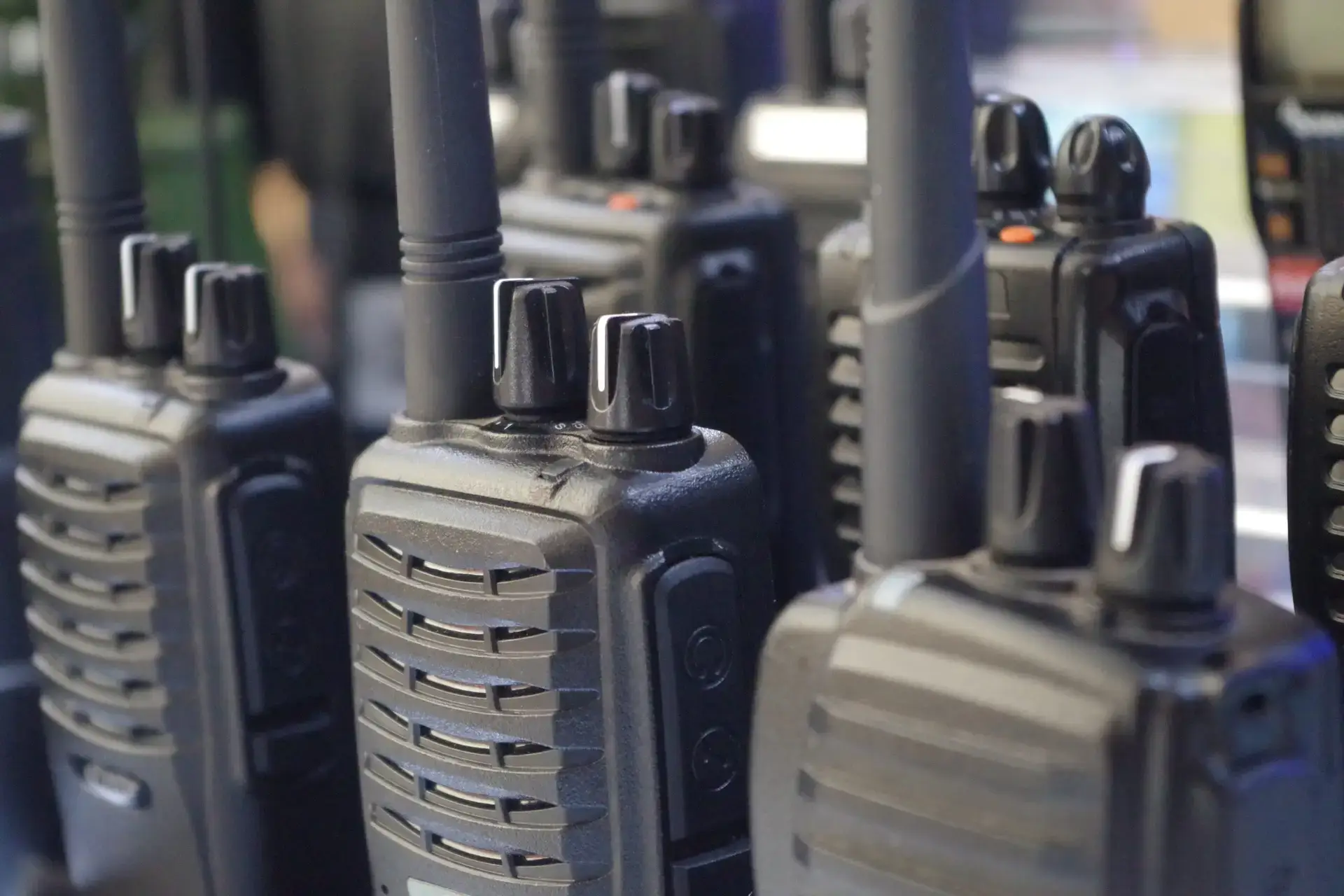
Emergency Communication
- Corporate
30 Minutes
WHAT YOU WILL LEARN
- Types of Communication
- Consolidated Communication
- Emergency Communication Philosophy
- Radio Reporting
- Historic Critical Incidents
- Critical Tasks
- Roles & Responsibilities
OBJECTIVES
1. Importance of Effective Communication
- Understand why clear, concise, and consistent verbal communication is essential during emergencies.
- Recognize the higher stakes and critical need for accurate communication in emergency situations.
2. Historical Context and Common Failures
- Review past communication failures that have led to disasters, delays, and harm.
- Learn how to overcome these common pitfalls through improved procedures.
3. Communication Strategies and Philosophy
- Explore methods to strengthen organizational emergency communication procedures.
- Understand the importance of setting a communication foundation and establishing a clear philosophy.
4. Communication Methods and Techniques
- Develop proficiency in initial radio reports, ground rules, and best practices.
- Analyze audio samples to enhance understanding of effective communication during crises.
- Examine different communication channels, including radio, face-to-face, and guard force communications.
5. Roles and Responsibilities
- Identify critical tasks within the communications center.
- Clarify roles, responsibilities, and protocols to ensure coordinated and efficient information flow.
ERS Firearms Baseline
- Corporate
60-120 Minutes

Overall, the course provides a comprehensive foundation in firearm handling, safety, and marksmanship principles, combining theoretical knowledge with practical, visual demonstrations.
WHAT YOU WILL LEARN
- Range Management
- Use of Force Review
- Stance
- Grip
- Draw
- Trigger Control
- Sight Picture & Alignment
- Loading Procedures
- Magazine Reload & Exchange
- Malfunctions
- Weapon Positions
- Reholstering
- Pistol Mounted Optics
OBJECTIVES
1. Course Introduction and Foundation
- Understand the objectives, legal considerations, and baseline expectations for firearms training.
- Recognize the importance of safety, range management, and responsibility.
2. Range Management and Safety Protocols
- Learn proper range setup, layout, and safety procedures.
- Understand safety briefings, emergency protocols, and medical considerations to ensure a safe training environment.
3. Use of Force Principles
- Review deadly force standards and legal considerations related to firearm use.
4. Fundamental Shooting Techniques
- Establish a natural point of aim to build a solid shooting foundation.
- Demonstrate proper stance, grip, and support techniques through video examples.
5. Drawing and Trigger Control
- Master the draw stroke, including grip, support hand positioning, and proper technique.
- Learn trigger control fundamentals, including cycling the trigger effectively.
6. Sight Picture and Alignment
- Develop skills to achieve proper sight picture and alignment for accurate shooting.
- Combine sighting techniques for precision.
7. Loading and Reloading Procedures
- Practice administrative loading, reloading, and reholstering techniques.
- Understand the steps for efficient magazine exchange and immediate action drills.
8. Malfunction Clearance
- Identify and troubleshoot firearm malfunctions using tap, rack, and assess techniques.
- Recognize primary and secondary malfunctions with proper corrective steps.
9. Weapon Handling and Positioning
- Use various weapons positions such as high ready, high port, and low ready for tactical scenarios.
- Practice reholstering safely and efficiently.
10. Sample Drills and Practical Application
- Engage with video demonstrations of sample drills to apply learned skills in practice.
11. Pistol Mounted Optics
- Understand types of pistol optics, how to index, and maintain target focus.
- Learn care and maintenance considerations for mechanical sights.
Executive Protection Baseline
- Corporate
30 Minutes

Overall, the course provides foundational knowledge in protection strategies, planning, formations, and deployment techniques essential for safeguarding high-profile individuals in various environments.
WHAT YOU WILL LEARN
- The Protection Specialist
- Mission Planning
- The Protective Detail
- Protective Advances
- Protective Formations
- Deployment from Vehicles
- Special Programs
OBJECTIVES
1. The Protection Specialist
- Understand the high stakes involved in executive protection.
- Develop the appropriate mindset required for protection responsibilities.
2. Mission Planning
- Recognize the purpose and importance of thorough mission planning.
- Learn the essential components of mission planning and utilize a briefing checklist for effective preparation.
3. Protective Detail
- Master key terminology used in executive protection.
- Understand the concept of rings of security and their strategic application.
4. Protective Advances
- Prepare and execute advanced team operations.
- Use checklists to ensure comprehensive site and route preparation.
5. Protective Formations
- Learn various movement formations for 1 to 4 agents.
- Practice cover and evacuate techniques, receiving and rope lines, and managing elevator procedures.
6. Deployment from Vehicles
- Position and employ motorcycle escorts effectively.
- Execute strong side arrivals and departures for maximum security.
7. Special Programs
- Understand additional considerations and specialized protocols relevant to executive protection.
Residential Security Awareness
- Corporate
30 Minutes

WHAT YOU WILL LEARN
- How Security Professionals Think
- Situational Awareness
- Threat Levels & Conditions
- Emergency Action Plans
- Access Controls
- Safe Havens or Panic Rooms
- Suspicious Mail & Packages
- Suspicious Persons
- Suspicious Persons on Property or in the Home
- Burglary & Robbery
OBJECTIVES
1. Understanding Residential Security Mindset
- Recognize how security professionals think through situational awareness, utilizing senses, the OODA Loop, and external data interpretation for risk assessment and environmental awareness.
2. The Dual Image Concept
- Understand the definition and application of the “dual image” technique to enhance observation and threat detection around the home.
3. Threat Levels and Conditions
- Learn to identify and respond appropriately to different threat levels—White, Green, Yellow, Red—based on their definitions and practical applications for home security.
4. Emergency Action Plans (EAPs)
- Develop and understand common residential EAPs, including their hallmarks and effective communication strategies with emergency services.
5. Access Control Strategies
- Evaluate access control from both homeowner and employee perspectives to prevent unauthorized entry and preserve safety.
6. Designing Safe Rooms or Panic Rooms
- Recognize simple design features and considerations for creating effective safe havens or panic rooms within the home.
7. Handling Suspicious Mail & Packages
- Identify suspicious characteristics of mail and packages and understand recommended actions to mitigate risk.
8. Responding to Suspicious Persons
- Understand definitions and appropriate interaction techniques when encountering suspicious persons.
9. Burglary & Robbery Prevention
- Learn definitions and key factors for success in preventing or responding to burglaries and robberies, including the 10-80-10 concept.
- Recognize obstacles faced by EMS agencies and extract key lessons learned from Tomahawk’s specialized incident response drills.
Situational Awareness
- Corporate
30 Minutes

WHAT YOU WILL LEARN
- Tools & Techniques
- Interpreting Information
- Information Overload
OBJECTIVES
1. Understanding and Developing Situational Awareness
- Define key concepts of situational awareness, including the use of the five senses and the OODA Loop.
- Apply practical tools and techniques through video scenarios to reinforce self-awareness skills.
2. Interpreting External Data and Assessing Risk
- Learn to interpret external information, environmental factors, and behavioral cues.
- Assess risks by understanding the human factor, importance of time and space, and recognizing change blindness.
- Use scenarios to practice analyzing and responding to dynamic situations.
3. Managing Information Overload
- Recognize what constitutes information overload and learn strategies such as Kim’s Game for recall and focus.
- Participate in interactive reviews and real-life examples to strengthen memory and attention.
4. Application Techniques and Practical Tips
- Gain surveillance and countersurveillance tips to enhance awareness in various environments.
- Review best practices through video analysis to apply situational awareness effectively in real-world situations.
Strategies for Accelerated Skill Learning
- Corporate
90 Minutes

Overall, the course aims to enhance understanding of tactical navigation through stairways using visual aids, practical demonstrations, and team movement strategies, enabling safer and more effective stairway clearance operations.
WHAT YOU WILL LEARN
- Engage your brain’s learning engines.
- Build sustainable habits for lifelong growth.
- Learn to design personalized, high-performance learning framework.
- Learn to master new skills while managing stress.
OBJECTIVES
1. The Science of Accelerated Learning
- Unlocking the brain’s engine.
- The Mastery Cycle explained.
2. Unlocking the Power of Deep Practice
- Structuring your practice for maximum impact.
3. Creating a System for Lifelong Learning
- Building an identity that lasts.
- Tiny habits for learning.
- Making your learning system smarter.
4. Mental & Visual Rehearsal
- Unlock the power of mental rehearsal.
- Visualize changes in the brain.
- Essential mental rehearsal techniques.
- Visualization in action.
5. Stress Recovery & State Management in Learning
- Mastering stress and recovery.
- The Stress-Adaptation cycle.
- Managing your learning state.
- How to engineer flow states.
6. Cognitive Biases & Metacognition
- Review datasets and through SOC applications.
- Select key technologies & platforms.
- Assess integration capabilities.
- Determine best practices for SOC interoperability.
7. Personal High-Performance Learning Framework
- Review datasets and through SOC applications.
- Select key technologies & platforms.
- Assess integration capabilities.
- Determine best practices for SOC interoperability.
Travel Security and Awareness
- Corporate
60 Minutes

Overall, this course aims to empower corporate travelers with the knowledge and skills necessary for safe and informed international travel, emphasizing situational awareness, risk assessment, and proactive planning.
WHAT YOU WILL LEARN
- Situational Awareness
- Personal Security Essentials
- Threat Landscape
- Pre-Trip Preparation: Researching Cultural Norms
- Pre-Trip Preparation: Packing Essentials
- Pre-Trip Preparation: Registration & Notification
- In-Transit Security Basics
- Lodging Security Overview
- Crisis Management Essentials
- Additional Resources
- Course Summary
OBJECTIVES
1. Understanding Travel Security Importance
- Recognize the significance of travel security for corporate professionals.
2. Situational Awareness Skills
- Utilize all senses, interpret external data, assess risk, and understand environmental factors using tools like the OODA Loop.
- Develop the ability to recognize and interpret cues that affect personal safety.
3. Personal Security Protocols
- Apply best practices before, during, and after travel to ensure personal safety and security.
4. Threat Landscape Awareness
- Understand various risks, including geopolitical, health, environmental, and local crime considerations.
- Use this knowledge to inform travel decisions and risk assessments.
5. Pre-Trip Preparation
- Research cultural norms and general considerations for international destinations.
- Pack essential items such as first aid supplies, communication devices, survival gear, documentation, and personal comfort items.
- Register with embassies and banks and understand emergency procedures and insights.
6. In-Transit Security
- Familiarize yourself with screening processes, vetting transportation options, and security tips to stay safe during transit.
7. Lodging Security
- Understand different lodging types, potential concerns, and emergency response actions within accommodations.
8. Crisis Management
- Collect critical information, prepare contact sheets, and understand evacuation procedures to handle emergencies effectively.
9. Additional Resources and Post-Travel Reflection
- Understand cultural norms to enhance safety and cultural sensitivity.
- Conduct post-travel debriefs to evaluate safety, incidents, and lessons learned.
Workplace Violence Prevention
- Corporate
30 Minutes

Overall, the course aims to equip participants with the knowledge, skills, and frameworks necessary to identify, address, and prevent workplace violence effectively and ethically.
WHAT YOU WILL LEARN
- Recognizing Warning Signs & Behavioral Indicators
- Creating a Safe & Supportive Environment
- Setting Up Practical Scenarios & Role-Playing
- Referral Process & Escalation
- Legal & Ethical Considerations
- Conducting the Interview
OBJECTIVES
1. Understanding Workplace Violence
- Recognize key statistics and definitions related to workplace violence.
- Identify different types of workplace violence and understand their impact on safety and organizational stability.
- Appreciate the importance of early intervention and defining roles and responsibilities in prevention efforts.
2. Recognizing Warning Signs and Behavioral Indicators
- Learn to identify common warning signs, behavioral and verbal cues, and situational risk factors.
- Develop skills to observe and interpret indicators that may signal potential violence.
3. Creating a Safe and Supportive Environment
- Foster trust and open communication within the workplace.
- Promote a culture of reporting concerns and creating an environment where employees feel supported and safe.
- Apply practical tips to maintain a positive and proactive workplace atmosphere.
4. Conducting Effective Interviews
- Prepare for interviews related to workplace concerns.
- Use key interviewing skills to handle disclosures professionally.
- Document conversations accurately and conclude with appropriate follow-up actions.
5. Referral and Escalation Procedures
- Recognize indicators that warrant referrals.
- Follow steps for effective and timely referrals.
- Communicate effectively during the referral process and understand post-referral protocols.
- Manage false alarms appropriately and maintain workplace safety.
6. Legal and Ethical Responsibilities
- Understand privacy, confidentiality, and ethical considerations in handling workplace violence issues.
- Avoid biases and discrimination while responding to concerns ethically and professionally.
7. Application Through Practical Scenarios
- Engage with realistic scenarios and role-playing exercises to reinforce learning.
- Complete summaries and quizzes to assess understanding and readiness to implement workplace violence prevention strategies.
Clips


Corporate
10 Jun 2026
Workplace Violence Prevention


Corporate
4 May 2024
Active Threat: Baseline


Corporate
4 May 2024
Situational Awareness: The Garage


Corporate
4 May 2024
De-Escalation Tactics
Unparalleled experience
We are former federal agents, special operations members, combat veterans, and law enforcement officers. We draw from our experience to create Tomahawk Institute courses to educate you and your employees, and convey these concepts with sensitivity and seriousness; Tomahawk is your coach, not your drill sergeant.
Our goal is to create safer communities and more prepared individuals.
-
“The course was well prepared and provides an excellent overview of the Prepare, Respond, Recover model.”
Frank D'Amico
Principal, Lodi High School, New Jersey

-
“Great information. I feel better prepared now in the event of an active shooter. Thank you for providing the information and course.”
Employee participant
Fortune 100 financial institution
-
“The training gave a good overview of things to know or keep in mind and also actions to take in preparation and response to any potential situation.”
Employee participant
Fortune 100 financial institution
-
“I feel better prepared. I loved this course!”
Employee participant
Fortune 100 firm
-
“This training session offered an excellent review with emphasis on being prepared, being situationally aware, and taking action.”
Employee participant
Fortune 100 firm
-
“This was very helpful and informative. I feel better prepared should it happen to me at work or home.”
Employee participant
Fortune 100 firm

 English
  Danish
  English